
Fibermaxxing: Gut Health Hack or High-Fiber Label Trap?
Fibermaxxing is trending for gut health, but high-fiber labels can hide isolated fibers, sweeteners and ultra-processed ingredients. Direct Answer Fibermaxxing, […]
Ingredient intelligence guides
Evidence-led guides to help you understand food, skincare, allergy, lifestyle, and dietary ingredients before you buy. Start with a topic below or browse the latest published guides.
Fibermaxxing is trending for gut health, but high-fiber labels can hide isolated fibers, sweeteners and ultra-processed ingredients. Direct Answer Fibermaxxing, […]

GLP-1-friendly labels are spreading across meals and snacks. Check protein, fiber, sugar, sodium, sweeteners and ingredient claims before you buy.

Direct Answer PDRN skincare is the 2026 beauty trend built around polydeoxyribonucleotide, a mixture of DNA fragments most commonly associated

Learn what fragrance-free skincare really means, how it differs from unscented, and which fragrance allergens to check before buying.
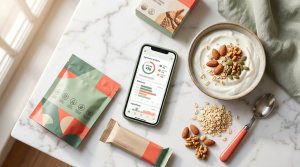
High-protein snacks can be useful or ultra-processed. Learn how to read protein bars, yogurts and snack labels for sweeteners, additives and allergens.

Prebiotic sodas are trending, but the label matters. Learn how to check inulin, chicory root fiber, added sugar, sweeteners, acids

Sugar can hide as syrups, juice concentrates and -ose names. Learn how to spot hidden sugar names on food labels before you buy.

Common beauty products including moisturizers, shampoos, and cosmetics frequently contain endocrine-disrupting chemicals (EDCs) such as parabens, phthal…

When asking the critical question, are food additives safe for long term consumption, the answer is highly nuanced.

Research indicates that several synthetic food dye ingredients are linked to mood and focus concerns, particularly in children [1, 2].